Best How to Install Towel Warmer (2026) | Best Towel Warmers
Prices and picks verified as of October 2026. Independent, reader-supported reviews.


Things to Know Before You Buy
- Plug-in is a 30-minute job; hardwired is not. A plug-in warmer mounts and plugs into an existing outlet in half an hour. A hardwired model ties into your home circuit, and most local codes want a licensed electrician for that part.
- You need a GFCI outlet. Bathroom code requires a ground-fault outlet. Plug the warmer straight into one, never into an extension cord or a power strip behind the vanity.
- Loaded racks pull hard on the wall. A wet towel adds real weight, so plan to hit studs or use heavy-duty toggle bolts rated for 50 pounds or more.
- Clearance from the tub matters. Keep the unit the distance from the shower or tub that the manual lists, usually at least 24 inches, to stay within electrical code.
If you have searched for how to install towel warmer guides, you have probably waded through vague advice and a few electrician sales pitches. The job is simpler than most of them make it sound. A plug-in wall-mounted electric warmer, the kind most people buy, comes down to five steps: pick the spot, drill and anchor the brackets, hang the rack, and connect the power. You can finish it in about an hour with a drill and a level.
This guide walks through that exact sequence for a plug-in unit, which is the only version you should tackle yourself. If your warmer hardwires into the wall instead of using a cord, stop at the wiring step and call a licensed electrician, because most local codes require one and a botched bathroom circuit is dangerous. For everyone with a cord and a nearby outlet, the steps below get a warm towel waiting for you by tonight.
What You'll Need
- Supplies: wall anchors and mounting screws (heavy-duty toggle bolts for drywall), wire connectors, and painter's tape
- Tools: cordless drill with bits, stud finder, level, screwdriver, pencil, and a non-contact voltage tester
Step 1: Pick the spot and confirm power
Before you install your towel warmer, settle on a wall within reach of the tub or shower so a dripping towel does not travel across the room. The outlet decides a lot here. Bathroom code calls for a GFCI outlet, so plan the location around an existing one rather than running a cord across the vanity. Hold the warmer against the wall at roughly 48 inches from the floor and step back to picture a towel hanging on it.
Now check two things that will save you a re-drill later. Run a stud finder across the area and mark the framing with a pencil, since at least one bracket anchored to a stud gives the rack far more holding power. Then measure the clearance from the tub or shower edge and compare it to the minimum in your manual, usually 24 inches or more. Water and electric heat need that buffer.
Cut the cord plan now too. The plug should reach the GFCI outlet with slack to spare, and the cord should run down the wall, not across a walkway. If the nearest outlet sits too far away, move the warmer rather than reaching for an extension cord.
Step 2: Mark and drill the mounting holes
Most towel warmer kits include a paper template, or the brackets themselves double as one. Tape the template to the wall at your chosen height, then set a level across the top and adjust until the bubble centers. A rack that sits a half-inch off level reads as crooked the moment a towel hangs on it, so take your time here.
With the template level, push a pencil through each hole to mark the wall. Pull the template, double-check that your marks line up with the studs you found earlier, and pick the right drill bit. Match the bit to your anchor: a masonry bit for tile or plaster, a standard bit for drywall, and a smaller pilot bit if a mark lands on a stud.
Drill straight in at each mark to the depth the anchors need, backing the bit out a few times to clear dust. If you hit tile, start slow with steady pressure so the bit does not skate and crack the glaze. Vacuum the holes when you finish so the anchors seat cleanly.
Step 3: Anchor the mounting brackets
This is the step that decides whether your towel warmer stays on the wall for years or sags in a month. Tap a wall anchor into each drilled hole until it sits flush. For the holes that landed on drywall rather than a stud, use heavy-duty toggle or molly bolts rated for at least 50 pounds, not the thin plastic cones that ship with cheap kits. A loaded rack plus a wet towel pulls harder than the bare frame.
Hold the first bracket over its anchors and drive the screws until the bracket pulls tight against the wall. Snug them firmly, then stop; overdriving can strip a drywall anchor and leave you with a spinning screw. Repeat for the second bracket.
Set your level across both brackets one more time before you trust them. If one sits high, back its screws out, adjust, and re-tighten while the anchors still grip. Give each bracket a firm tug from a few angles. It should not shift or creak.
Step 4: Mount the towel warmer on the brackets
With solid brackets in place, mounting the towel warmer itself takes a minute. Lift the rack and line up its slots, hooks, or pins with the brackets you anchored. Most wall-mounted warmers drop onto a pair of hooks or slide onto pins, so let it settle into place rather than forcing it.
Once the rack seats, lock it down. Many models include a small set screw on the underside of each bracket that pins the frame so it cannot lift off the wall. Tighten those with the supplied hex key or a screwdriver. Skipping them leaves the warmer free to bounce loose when someone yanks a towel.
Step back and eyeball the whole unit. The bars should look level and parallel to the floor, and the frame should sit close to the wall without a visible gap on one side. If anything looks off, this is the moment to fix it, before you route the cord and call the install done.
Step 5: Connect the power and test it
The last step to install a towel warmer is power, and the plug-in and hardwired paths split here. If your unit has a cord, route it down the wall to the GFCI outlet, secure any slack with a cord clip so it does not dangle, and plug it in. If your unit hardwires into the wall instead, stop and bring in a licensed electrician. Joining the wires yourself in a wet room violates code in most areas and risks a shock.
For the plug-in version, run a full heat cycle to confirm everything works. Switch it on, set the timer if it has one, and feel a bar after ten minutes. It should warm evenly along its length with no hot spots or burning smell. Hang a towel and check again after a cycle to see how it performs under load.
Press the test button on the GFCI outlet while the warmer runs; the power should cut, which proves the safety circuit protects the unit. Reset it, and your install is finished. From here, a dry warm towel is one timer press away.
Common Mistakes to Avoid
The most common error people make when they install a towel warmer is trusting the flimsy plastic anchors that come in the box. Those cones grip well enough for a picture frame, but a rack loaded with a soaked towel works them loose over weeks until the whole unit tilts. Swap them for toggle bolts rated to 50 pounds, and anchor at least one bracket into a stud whenever the layout allows.
The second mistake is reaching for an extension cord or power strip when the outlet sits a few feet away. Bathroom circuits and standing water make that a genuine hazard, and most cords are not rated for continuous heat-appliance use. Plan the location around a GFCI outlet instead, or have an electrician add one.
People also rush the leveling. A warmer that looks straight against the brackets can read crooked once a towel drapes over it, so check the bubble twice before you drive the final screws. Two more traps round out the list: ignoring the manual's clearance from the tub, which can put the unit too close to splashing water, and skipping the GFCI test at the end. That test button is the cheapest safety check you will ever run, so press it before you hang the first towel.
Our Top Picks
The install goes smoothly only if the warmer you buy fits your bathroom and your skill level. These three plug-in models all skip the electrician and work with the steps above. Pick the one that matches your wall space and budget.
Editor’s Pick
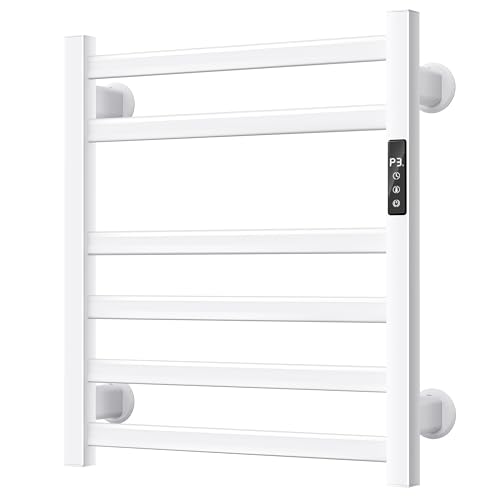
Electric Towel Warmer Wall Mounted
A wall-mounted electric rack with a built-in timer that follows the five steps in this guide exactly. It plugs in, so you mount it and go.
$98.99
Check Price on Amazon
Best Value
SereneLife Luxury Rectangle Towel Warmer
SereneLife's rectangular rack gives you a wide bar layout for the price, and the plug-in cord keeps the install in do-it-yourself territory.
$99.99
Check Price on Amazon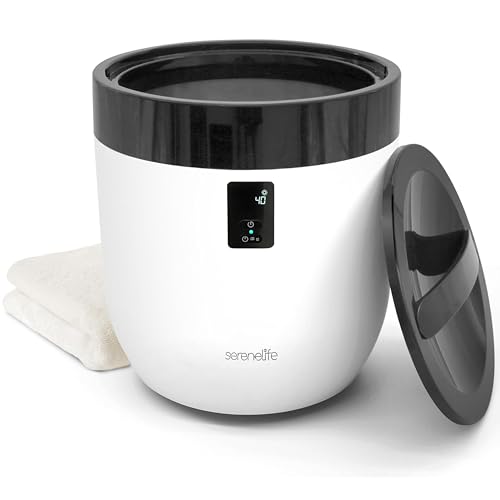
Premium Choice
Serenelife Counter Towel Warmer Luxury
A countertop unit that needs no wall mounting at all, the easiest path if you rent or want to skip the drill entirely.
$59.97
Check Price on AmazonCan I install a towel warmer myself, or do I need an electrician?
A plug-in towel warmer is a do-it-yourself job.
How high should I mount a towel warmer?
Most people set the bottom bar about 48 inches off the floor, which keeps a folded towel off the ground and within easy reach.
Frequently Asked Questions
Can I install a towel warmer myself, or do I need an electrician?
A plug-in towel warmer is a do-it-yourself job. You mount the rack and plug it into an existing GFCI outlet, with no wiring involved. A hardwired model that ties into your home circuit should go to a licensed electrician, since most local codes require it and the permit protects you on resale. If you are choosing between models, the plug-in versions in our electric towel warmer roundup keep the install simple.
How high should I mount a towel warmer?
Most people set the bottom bar about 48 inches off the floor, which keeps a folded towel off the ground and within easy reach. Drop it to about 42 inches in a kids' bathroom. Always check the manual for the minimum distance from the tub or shower, usually 24 inches or more, before you mark the holes.
Do I need to drill into studs to install a towel warmer?
Hitting a stud gives you the strongest anchor, but you can rarely line up both brackets on framing. Use heavy-duty toggle or molly bolts rated for at least 50 pounds in the spots that land on drywall. A loaded warmer plus a wet towel pulls harder than the rack alone, so do not rely on the thin plastic cone anchors that often come in the box.
How long does it take to install a wall-mounted towel warmer?
Plan on about an hour for a plug-in unit if you have a drill, a level, and a nearby GFCI outlet. The mounting itself runs 30 to 45 minutes, and the rest is finding studs, checking clearances, and testing the heat cycle. A hardwired model takes longer because an electrician has to run or connect the circuit.
Can I install a towel warmer on a tile wall?
Yes, but drill carefully. Use a masonry or tile bit, start slow with steady pressure so the bit does not skate across the glaze, and avoid drilling on a grout line where the tile can crack. Match your anchors to whatever sits behind the tile, whether that is drywall, cement board, or a stud, so the brackets bite into something solid.
Verdict
Knowing how to install towel warmer hardware comes down to five steps you can finish in an hour: pick a spot near a GFCI outlet, drill and anchor solid brackets, hang the rack, lock it down, and test the power. The two details that separate a clean install from a sagging one are anchoring into studs or 50-pound toggle bolts and plugging straight into a ground-fault outlet rather than a cord. Skip the hardwired wiring unless you bring in a licensed electrician. If you want a model that matches these steps without surprises, the wall-mounted APORDROUCA electric towel warmer plugs in, includes a timer, and mounts with the bracket method above, which makes it the easiest pick for a first-time install. Get the anchors right and the rack will hold a warm towel for years.