Best Electric vs Hydronic Towel Warmer (2026) | Best Towel Warmers

Things to Know Before You Buy
- Electric plugs in, hydronic pipes in. An electric warmer runs off a wall socket or a wired circuit. A hydronic warmer connects to your home's hot-water heating loop and needs a plumber.
- Electric works year-round on demand. You can warm a single towel in July without firing up central heat. A hydronic rack only warms when your heating system runs.
- Hydronic costs more to fit but less to feed. The unit and install run higher, then the heat rides on your existing boiler instead of a separate element.
- Renters should look at plug-in electric. No wiring and no plumbing means you can mount it, use it, and take it with you when you move.
- Match the rack to your towel load. A bath sheet needs more bar length and wattage than a hand towel, so size the warmer to what you actually dry.
The electric vs hydronic towel warmer choice comes down to how your home is heated and how much you want to spend fitting it. Both do the same job, keeping a rack of towels warm and dry, but they get there in different ways. An electric warmer heats a coil or fluid inside its own bars from a plug or a wired circuit. A hydronic warmer taps the hot water your boiler already pushes through your radiators, so the towel rail becomes another loop in that system.
That one difference drives the rest: what it costs to install, whether you can run it in summer, how warm the room gets, and who you need to call to fit it. You do not need a plumber for a plug-in electric rack, and you cannot avoid one for a hydronic rail. Below we compare the two on build, price, and daily use so you can see which fits your bathroom, then point to the specific plug-in electric models most readers here end up buying.
Quick Answer
For most bathrooms, an electric towel warmer is the better pick in the electric vs hydronic towel warmer decision: it plugs in, runs any time of year, and costs far less to install. Choose a hydronic towel warmer when you are already renovating with the boiler open, you want the rail to help heat the whole room, and you plan to keep the home long enough to earn back the higher fitting cost.
What is Electric?
An electric towel warmer heats itself. Inside the bars sits either a dry heating element or a sealed thermal fluid, and a small element brings that up to temperature when you switch the unit on. Nothing connects to your plumbing, and that is the core split between the two. You mount the rack on the wall, and you either plug it into a nearby socket or, on hardwired versions, wire it to a spur behind the unit.
Because the rack carries its own heat source, you control it directly. Most models have a switch, a thermostat, or a timer, and the smarter ones add app control so you can warm the towels before you get in the shower. Plug-in versions are the easiest to live with: you drill four holes, hang the rack, and use it the same afternoon. That makes electric the default for renters, retrofits, and anyone who does not want to open up a wall.
The trade-off is that every watt of heat comes from the socket. A small rack draws around 50 to 100 watts and a large one closer to 150, so running one a few hours a day adds a few dollars to your monthly bill rather than a large jump. You also depend on the element and, on connected models, the control board, both of which can fail years down the line.
What is Hydronic Towel Warmer?
A hydronic towel warmer is a heated rail plumbed into your home's hot-water heating system. The same water your boiler sends to the radiators flows through the bars of the rack, so the towel rail behaves like a small radiator that happens to hold your towels. There is no element inside the unit and no plug on the wall; the heat arrives through pipes.
A plumber ties the rail into your heating loop, usually with valves at each end so you can isolate or balance it against the rest of the system. Some setups add a thermostatic valve so the rail runs at a set temperature, and dual-fuel versions slip an electric element into the water circuit so you can warm towels in summer when the central heating is off. Without that dual-fuel option, the rail only gets warm when the whole heating system is running.
The strength of a hydronic rail is steady heat. Once the water in the bars is hot it stays hot, and a large rail throws off enough warmth to take the chill off the room as well as the towels. It also has almost nothing to break, since there is no board and no plug. You pay for that with a higher unit price and an install that means opening pipework, which is why hydronic makes most sense during a bathroom renovation rather than as a bolt-on later.
Head-to-Head: Build Quality & Durability
On raw longevity, hydronic wins. A hydronic rail is a sealed loop of stainless or chrome-plated steel with no electronics of its own. Nothing inside it wears out the way a heating element does, so a well-fitted rail can run for 15 years or more, matching the life of the radiators it shares a circuit with. The failure points sit outside the rack, at the valves and joints, and a plumber can service those without replacing the whole unit.
Electric racks carry their own risk inside the bars. The heating element and the thermostat both age, and on smart models the WiFi board and app add two more parts that can fail before the metal ever does. A basic plug-in rack with a simple mechanical thermostat is the more durable electric choice, since there is less to go wrong; the more features you stack on, the more you depend on a control board that no plumber can fix.
Both types resist bathroom moisture well when built from quality stainless, so the frame itself rarely lets you down. The real durability gap is in what heats the bars. If you want a rack you fit once and forget for a decade, hydronic has the edge. If you accept that an electric element may need replacing partway through, you trade some lifespan for a far simpler install.
Head-to-Head: Price & Value
Price is where electric pulls ahead for most homes. A plug-in electric rack sits between roughly $40 and $200, and the install cost is your own time and four screws. You spend nothing on a trade unless you want a hardwired version, which adds an electrician's call-out. Running cost then stays low, a few dollars a month for a couple of hours of daily use.
A hydronic rail often costs more to buy, and the plumbing is the real expense. Tying it into your heating loop can add a few hundred dollars in labor, and far more if the pipes do not already run near the wall you want. The payback comes on the energy side, since the heat rides on your boiler rather than a separate element, but that only matters over years and only if you stay in the home. For one bathroom on a budget, electric gives you warm towels for less money up front and less risk.
Head-to-Head: Use Experience
Day to day, the choice comes down to control versus comfort. An electric rack answers to you. Flip the switch or open the app, and it warms in 5 to 15 minutes whether it is January or July. A timer can have the towels warm before your alarm goes off, and a smart model lets you set that from bed. When the heating in the rest of the house is off, an electric rack still works, which is its biggest practical advantage in summer.
A hydronic rail trades that on-demand control for steadier, roomier heat. When your central heating runs, the rail warms up with everything else and holds its temperature well, and a large one takes the chill off the whole bathroom rather than just the towels. The catch is timing: without a dual-fuel element, you cannot warm a towel in the off-season, and you cannot heat towels independently of the rest of the house.
For drying speed on a single towel, electric usually feels quicker because you can run it hot on demand. For a warm room and towels that stay warm through a long winter morning, hydronic feels more luxurious. You pick based on whether you value pushing a button any time of year or sinking into a rail that is simply always warm during heating season.
When to Choose Electric
Choose electric if you want warm towels without touching your plumbing. In the electric vs hydronic towel warmer decision, electric is the pick for renters, for anyone retrofitting a finished bathroom, and for homes where the heating pipes do not run near the wall you have in mind. You mount a plug-in rack in an afternoon and use it that night, with no trade and no mess. It also suits you if you want on-demand heat in summer, since it works whether or not the central heating is running. Pick a simple thermostat model if durability matters most, or a WiFi model if you want to schedule warm towels from your phone. The main thing to accept is a slightly higher running cost per hour and an element that may need replacing years down the line.
When to Choose Hydronic Towel Warmer
Choose a hydronic towel warmer when you are renovating with the walls and pipes already open, and you plan to stay in the home long enough to earn back the higher fitting cost. This rail makes the most sense as part of a wider bathroom project, where the plumber is on site and adding a loop is a small extra job. It fits you if you want the rack to help heat the room, not only the towels, and if you like heat that is simply always there through the winter without a switch. Add a dual-fuel element if you also want warm towels in summer, since that removes the one real weakness of a plain hydronic rail. It is the wrong call for renters, for quick upgrades, and for any bathroom where opening the pipework would cost more than the comfort is worth.
Our Top Picks
Since most readers land on the electric side of this comparison, here are the plug-in electric towel warmers we point people toward first. Each mounts without plumbing, so you can fit it yourself and warm towels the same day.
Editor’s Pick
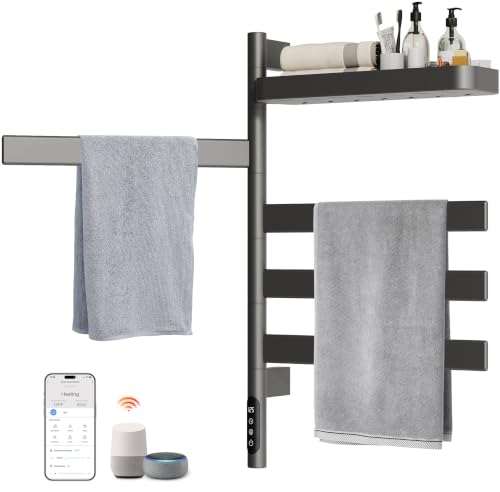
ENZE Smart Rotating Heated Towel
A plug-in electric rack with a rotating design and smart controls, so you get on-demand warm towels without a plumber. Our first pick for most bathrooms.
$189.99
Check Price on Amazon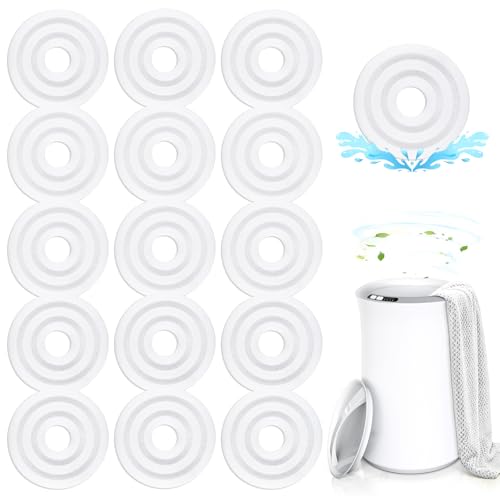
Best Value
YLJMFH 15Pcs Replacement Fragrance Disc
Replacement fragrance discs for scented bucket warmers, a cheap consumable if you own a model that adds a light scent to warm towels.
$6.98
Check Price on Amazon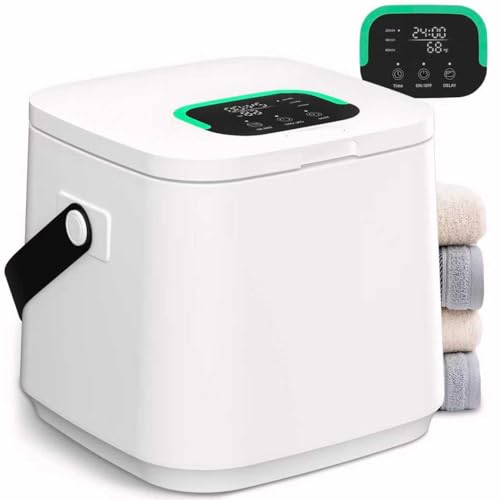
Premium Choice
WEILAlANTIAN Towel Warmer Towel Warmers
A wall-mounted electric rack with a clean bar layout, for buyers who want a plug-in warmer that looks the part without any plumbing work.
$39.99
Check Price on AmazonFrequently Asked Questions
Is an electric or hydronic towel warmer cheaper to run?
A plug-in electric towel warmer draws roughly 50 to 150 watts, which adds a few dollars a month if you run it a couple of hours a day. A hydronic unit piggybacks on your home heating loop, so its running cost folds into your boiler bill and is hard to separate out. For a single bathroom, electric usually costs less overall because you heat only the rack, not a water circuit.
Can I install a towel warmer myself?
A plug-in electric model needs no wiring, so you can mount it and use it the same day. A hardwired electric unit needs an electrician for the spur. A hydronic towel warmer ties into your central heating pipework, so you need a plumber and, in most cases, some planning around your boiler layout.
How long does a towel warmer take to heat a towel?
Most electric racks reach working temperature in 5 to 15 minutes and dry a damp towel in 30 to 60 minutes. Hydronic units warm up when your heating is on and hold heat longer once the water in the bars is hot, but you cannot warm a towel on demand in summer unless the system runs or the rail has a dual-fuel element.
Do towel warmers help prevent mildew?
Yes. A warm rack dries towels faster, so they spend less time damp. That cuts the musty smell and slows mildew on both the towel and the surrounding wall. Electric racks help even in a bathroom with no central heating, which is where damp towels tend to linger longest.
Which lasts longer, electric or hydronic?
Hydronic warmers have fewer electronic parts and often outlast electric models, since a stainless bar circuit can run for 15 years or more. Electric racks depend on a heating element and, on smart models, a control board, both of which can fail sooner. A basic electric rack with a simple thermostat sits between the two for longevity.
Final Verdict
In the electric vs hydronic towel warmer choice, electric is the better fit for most bathrooms because it plugs in, runs year-round, and costs far less to install, while hydronic earns its place during a renovation where you want the rail to warm the whole room and you plan to stay put. If you want the easiest path to warm towels tonight, a plug-in electric rack like the ENZE Smart Rotating Heated Towel warmer gives you on-demand heat and app control with no plumbing. Save the hydronic rail for the day your walls are already open.